
Why Meditation Certification Matters for Personal Growth
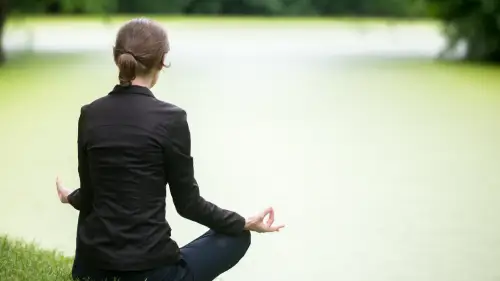
In a world that’s increasingly chaotic, where the pressures of daily life often leave us feeling overwhelmed, meditation has emerged as a powerful tool for achieving balance and well-being. Many people turn to meditation as a means of self-discovery and stress relief, but for those wishing to deepen their practice and share its benefits with others, obtaining a meditation certification can be transformative. This article explores why meditation certification matters for personal growth, the journey of becoming certified, and how it can enrich not just your life but also the lives of those around you.
Understanding Meditation Certification
Before diving into the benefits, let’s clarify what meditation certification entails. Meditation certification programs can vary widely, but they typically include comprehensive training in various meditation techniques, mindfulness practices, and the philosophical foundations of meditation. Many programs also emphasize teaching methodologies, ethical considerations, and personal development.
Certification can be obtained through accredited organizations, experienced instructors, or dedicated meditation schools. It’s important to research and choose a program that aligns with your values, goals, and preferred meditation style.
Types of Meditation Certification Programs
- Basic Meditation Certification: Ideal for beginners, these programs introduce participants to fundamental meditation techniques and practices.
- Advanced Certification: For those with prior experience, advanced programs delve deeper into various styles of meditation, including mindfulness, loving-kindness, and transcendental meditation.
- Specialized Certifications: Some programs focus on specific aspects of meditation, such as guided meditation, meditation for children, or corporate mindfulness practices.
- Teacher Training Programs: These comprehensive courses prepare individuals to teach meditation to others, covering both practice and pedagogy.
The Personal Growth Journey
Embarking on the path of meditation certification is more than just a professional endeavor; it’s a deeply personal journey that promotes growth on multiple levels. Here are some ways in which meditation certification fosters personal growth.
1. Deepening Self-Awareness
One of the most significant benefits of meditation is the increase in self-awareness it brings. During your certification training, you’ll engage in regular practice, which encourages introspection and self-reflection. As you become more attuned to your thoughts, feelings, and patterns, you begin to understand yourself on a deeper level.
How Self-Awareness Impacts Growth
- Identifying Patterns: Meditation helps identify habitual thought patterns that may be holding you back. With this awareness, you can consciously work to change negative behaviors and cultivate positive habits.
- Understanding Emotions: You’ll learn to observe your emotions without judgment, allowing you to respond to them more thoughtfully rather than reacting impulsively.
2. Enhancing Emotional Regulation
As your self-awareness grows, so does your ability to regulate your emotions. Meditation teaches techniques to manage stress and anxiety, which can lead to a more balanced emotional state.
The Importance of Emotional Regulation
- Improved Relationships: By becoming more emotionally aware and regulated, you can engage in healthier communication with others, fostering stronger relationships.
- Stress Reduction: Greater emotional regulation helps reduce the physical effects of stress, promoting overall well-being.
3. Cultivating Mindfulness in Daily Life
One of the primary focuses of meditation certification is learning how to incorporate mindfulness into daily life. This practice encourages you to be present in the moment, whether you’re eating, working, or spending time with loved ones.
Benefits of Mindfulness
- Increased Focus: Mindfulness helps improve concentration and productivity, allowing you to perform tasks more efficiently.
- Greater Satisfaction: Living mindfully can lead to greater enjoyment of everyday experiences, as you become more aware of the beauty and richness of life.
4. Building Resilience
Meditation certification equips you with tools to navigate challenges more effectively. The practices you learn can help you cultivate resilience, which is the ability to bounce back from adversity.
How Resilience Supports Growth
- Coping Strategies: You’ll develop coping mechanisms to handle stress and difficulties, enabling you to face life’s challenges with greater ease.
- Positive Outlook: Regular meditation can shift your perspective, helping you maintain a more optimistic outlook even in difficult situations.
The Community Aspect
Another enriching component of meditation certification is the sense of community it fosters. Engaging with like-minded individuals who share your passion for meditation can lead to profound connections and support.
1. Networking Opportunities
Participating in a certification program opens the door to networking opportunities with fellow practitioners and instructors. These connections can lead to collaborative projects, workshops, or retreats that further enhance your growth.
2. Shared Experiences
Sharing experiences with others who are on a similar journey can provide invaluable insights and encouragement. The collective wisdom and support of a community can inspire you to explore new techniques, overcome challenges, and stay committed to your practice.
Practical Benefits of Certification
While the personal growth aspects of meditation certification are compelling, there are also practical benefits that enhance its value.
1. Enhanced Teaching Skills
If you’re interested in sharing meditation with others, certification equips you with essential teaching skills. You’ll learn how to lead classes, create lesson plans, and adapt your approach to meet the needs of various students.
2. Credibility and Recognition
Obtaining a certification provides credibility as a meditation teacher or practitioner. It signifies that you’ve completed a rigorous training program and possess the knowledge and skills to guide others effectively. This recognition can open doors to teaching opportunities in schools, wellness centers, and corporate environments.
3. Professional Growth
Certification can enhance your career prospects, whether you’re seeking to teach meditation full-time or integrate it into another profession, such as coaching, therapy, or education. The skills you gain can differentiate you in a competitive job market.
Overcoming Challenges on the Certification Journey
While meditation certification offers many benefits, it’s essential to acknowledge that the journey may present challenges. Here are some common hurdles and how to overcome them:
1. Commitment to Practice
Consistency in meditation practice is crucial for personal growth. You may find it challenging to maintain a daily practice amidst life’s demands.
Tip: Establish a routine by setting aside dedicated time each day for meditation. Start small and gradually increase your practice duration.
2. Emotional Discomfort
As you delve deeper into meditation, you may encounter uncomfortable emotions or memories. This process can feel overwhelming.
Tip: Approach these feelings with compassion and patience. It can be helpful to discuss your experiences with instructors or peers who can provide support.
3. Imposter Syndrome
Many individuals struggle with feelings of self-doubt or imposter syndrome, particularly when entering a teaching role.
Tip: Recognize that everyone’s journey is unique. Trust in your training and experiences, and remember that growth takes time.
Incorporating Meditation Certification into Your Life
Once you’ve completed your meditation certification, the next step is integrating your newfound knowledge and skills into your life. Here are some strategies to help you along the way:
1. Develop a Personal Practice
Continue to prioritize your personal meditation practice. The more you practice, the more you’ll deepen your understanding and ability to teach effectively.
2. Offer Workshops or Classes
If you feel ready, consider offering meditation workshops or classes in your community. Start small, perhaps by leading a session for friends or family, and gradually expand as you gain confidence.
3. Stay Connected with the Community
Maintain relationships with fellow practitioners and instructors. Join online forums, attend workshops, and participate in retreats to stay engaged and supported.
4. Continue Learning
The field of meditation and mindfulness is ever-evolving. Stay informed about new techniques, research, and developments in the field by attending workshops or pursuing further certifications.
Conclusion: The Transformative Power of Meditation Certification

Obtaining a meditation certification is a meaningful step on the path of personal growth. It enhances self-awareness, emotional regulation, and resilience while providing valuable skills for teaching others. Beyond the practical benefits, the journey of certification fosters connections with a supportive community, enriching your life and the lives of those you touch.
Whether you seek to deepen your personal practice or share the transformative power of meditation with others, certification is an investment in yourself and your future. As you continue on this journey, you’ll discover that the lessons learned through meditation extend far beyond the cushion, influencing every aspect of your life and helping you navigate the complexities of the world with grace and compassion.
Share this